





In its latest children and adolescent situation report, UNICEF Sierra Leone has urged the inclusion of climate change education in the national school curriculum. The report captures the voices of Sierra Leonean youth on key issues such as adolescent pregnancy, child marriage, gender-based violence, access to information, and climate change.
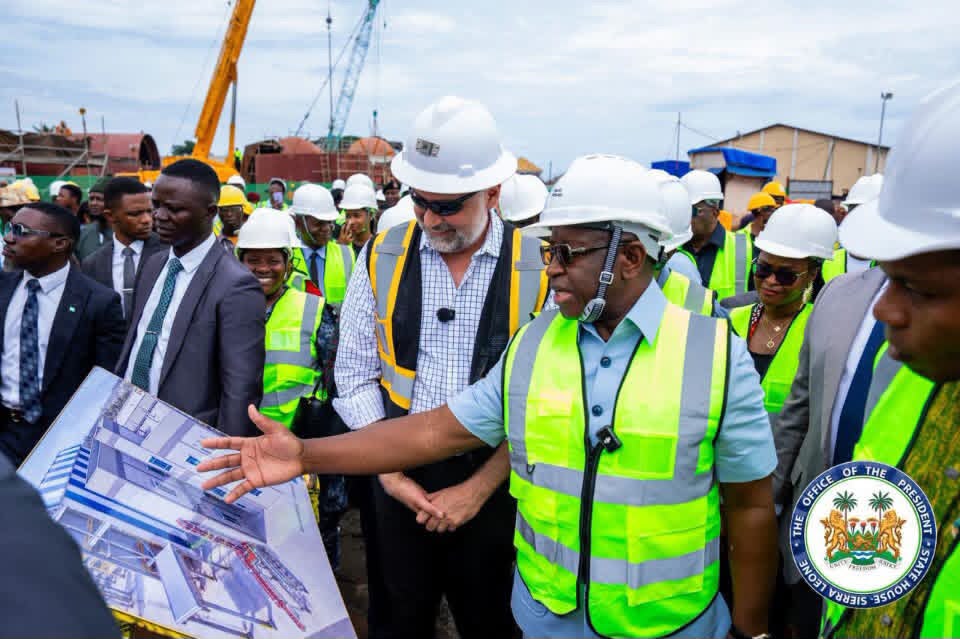
The analysis highlights the challenges faced by adolescents and provides recommendations for parents, educators, community leaders, government officials, and stakeholders. UNICEF stresses the importance of raising awareness of climate change among school children and calls for the integration of climate considerations in new construction projects, especially in schools and health centers, to reduce the impact on communities.
UNICEF also advises the government to develop disaster and emergency plans that prioritize child protection, incorporating input from young people to make these strategies more effective. Youth participation in climate change decision-making is seen as vital for successful outcomes.
The report emphasizes the varied ways climate change affects adolescents in Sierra Leone, with rural and low-income girls particularly impacted. Despite facing disproportionate challenges, they display resilience, engaging in community activities like sustainable farming and disaster preparedness.
Boys, too, are aware of the environmental risks and actively contribute to conservation and sustainability efforts. Both girls and boys advocate for stronger climate action, urging greater involvement in decision-making processes and promoting gender-sensitive approaches to climate adaptation and mitigation.
UNICEF concludes that tackling climate change requires active youth engagement and integrating their perspectives into national climate strategies.