





By: Ivan Julius Leigh
The Pharmacy Board of Sierra Leone is working with the Attorney-General and Minister of Justice to develop two separate laws aimed at strengthening the regulation of pharmaceutical products and pharmacy professionals in the country.
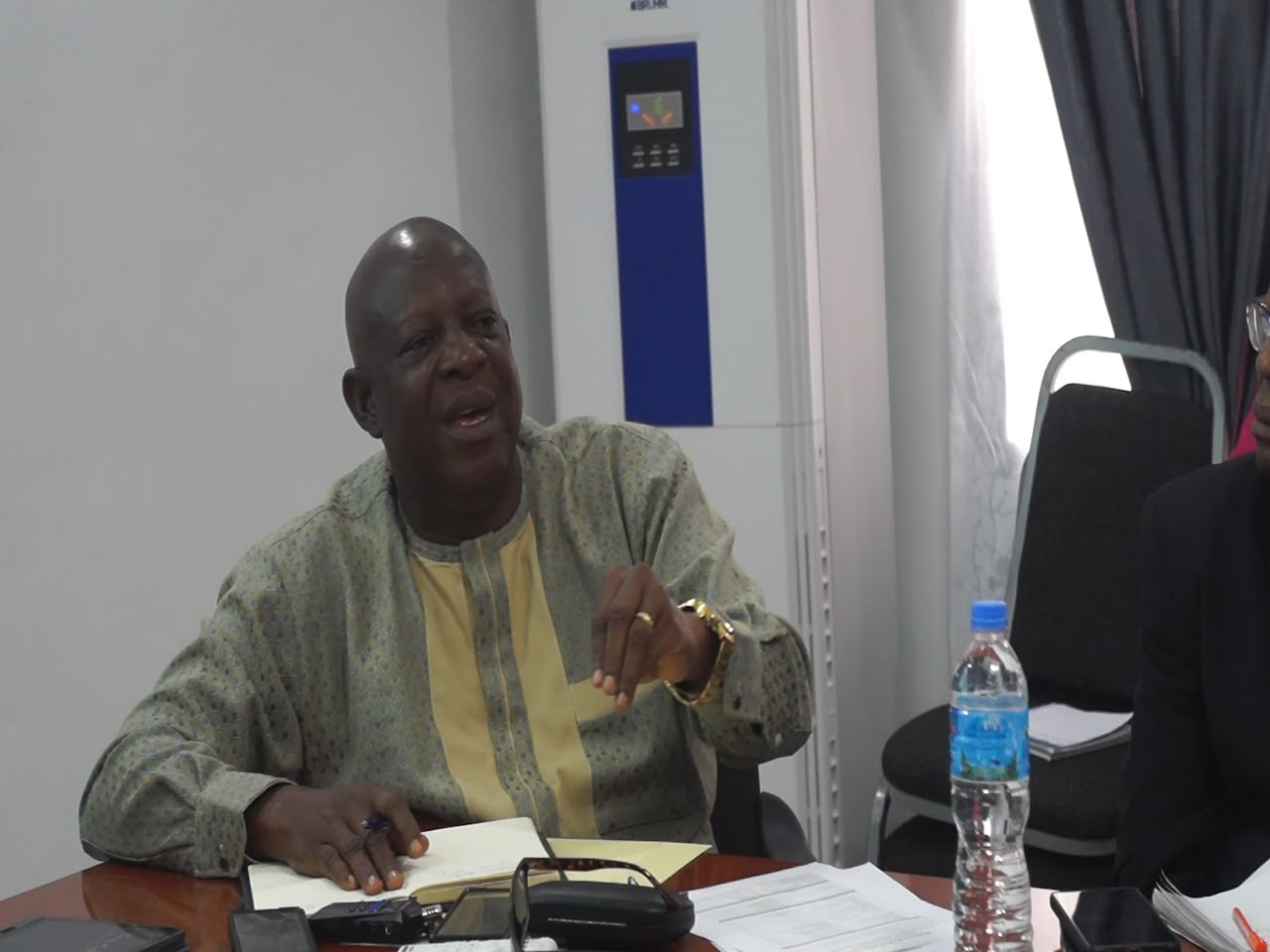
Chairman of the Pharmacy Board, Dr Moses Batema, said the proposed reforms would separate the regulation of pharmaceutical products from the oversight of pharmacists and pharmacy technicians, responsibilities currently governed by the Pharmacy and Drugs Act of 2001.
Dr Batema said the Board’s primary mandate was to protect public health through effective regulation of pharmaceutical products across the supply chain, from manufacturing to their delivery to patients, while ensuring that pharmacy professionals maintain appropriate standards and treat patients responsibly.
He said Sierra Leone remained the only country in the sub-region using a single law to regulate both pharmaceutical products and the pharmacy profession, making legislative reform necessary.
According to Dr Batema, the Ministry of Health accepted the recommendation to separate the two regulatory functions and submitted the proposal to Cabinet, which approved it in January of the previous year.
He said the Board was now working with the Attorney-General and Minister of Justice to develop the proposed legislation.
Under the plan, one law would regulate pharmaceutical products and establish a dedicated agency to oversee them, while the other would establish a Pharmacy Council responsible for regulating the pharmacy profession.
Meanwhile, Registrar of the Pharmacy Board, James Peter Komeh, said the Pharmacy and Drugs Act of 2001 required urgent revision because it no longer adequately addressed emerging challenges in the pharmaceutical sector.
Mr Komeh said developments in the industry had exposed gaps in the existing legislation, limiting the Board’s ability to regulate certain activities effectively.
He explained that the Board had spent several months reviewing the Act in consultation with relevant stakeholders to ensure that the proposed laws addressed existing weaknesses and remained relevant to future developments in the sector.
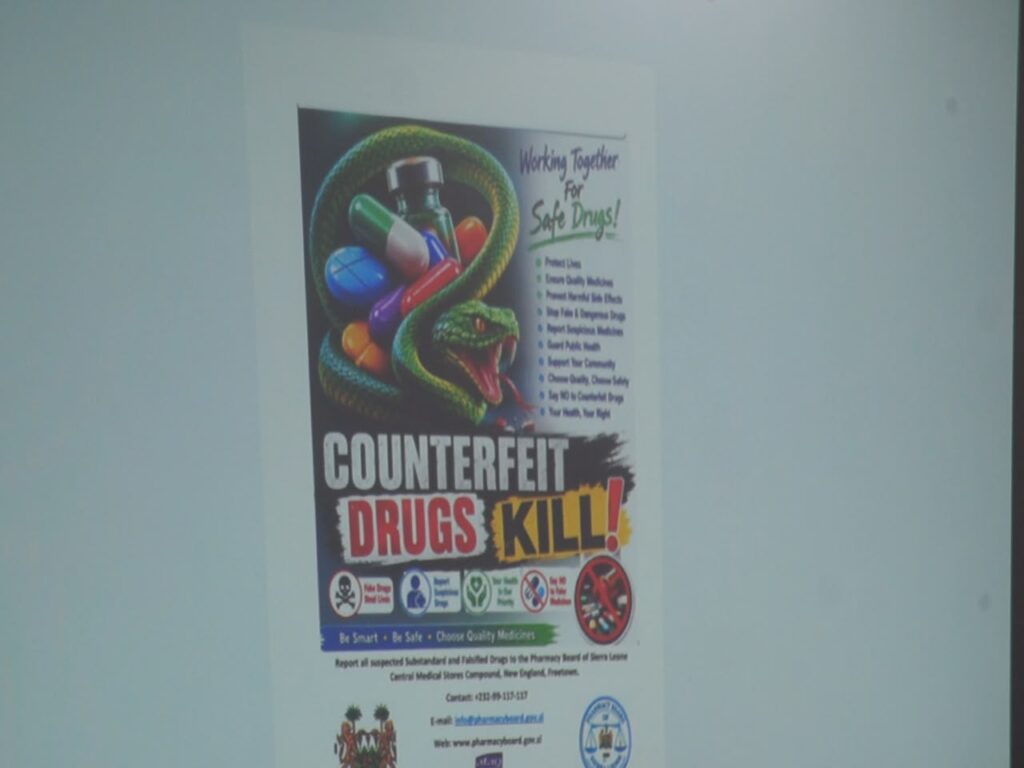
One of the major challenges identified was the sale of pharmaceutical products by unauthorised street hawkers, an activity Mr Komeh said the current law did not adequately address.
He said the Board often collaborated with the police to apprehend illegal drug hawkers, but enforcement remained difficult because some offenders returned to the streets after paying fines.
Mr Komeh added that the Board lacked independent arrest powers and had to rely on the police to apprehend offenders, further complicating efforts to tackle the illegal sale of pharmaceutical products.
He also raised concerns about the penalties prescribed under the existing legislation, saying the maximum fine was reportedly set at five hundred thousand old leones, an amount he considered insufficient to deter offenders.
The Registrar said the proposed reforms were intended to strengthen enforcement, address gaps in the existing law and improve accountability in the pharmaceutical sector.
The planned separation of regulatory responsibilities is expected to provide a distinct legal framework for pharmaceutical products and a separate system for overseeing pharmacists and pharmacy technicians.
The reforms come as the Board seeks to address enforcement challenges and ensure that pharmaceutical products and pharmacy services are regulated in ways that protect public health.
However, the proposed laws are still being developed, and further legislative steps will be required before the new regulatory arrangements can take effect.