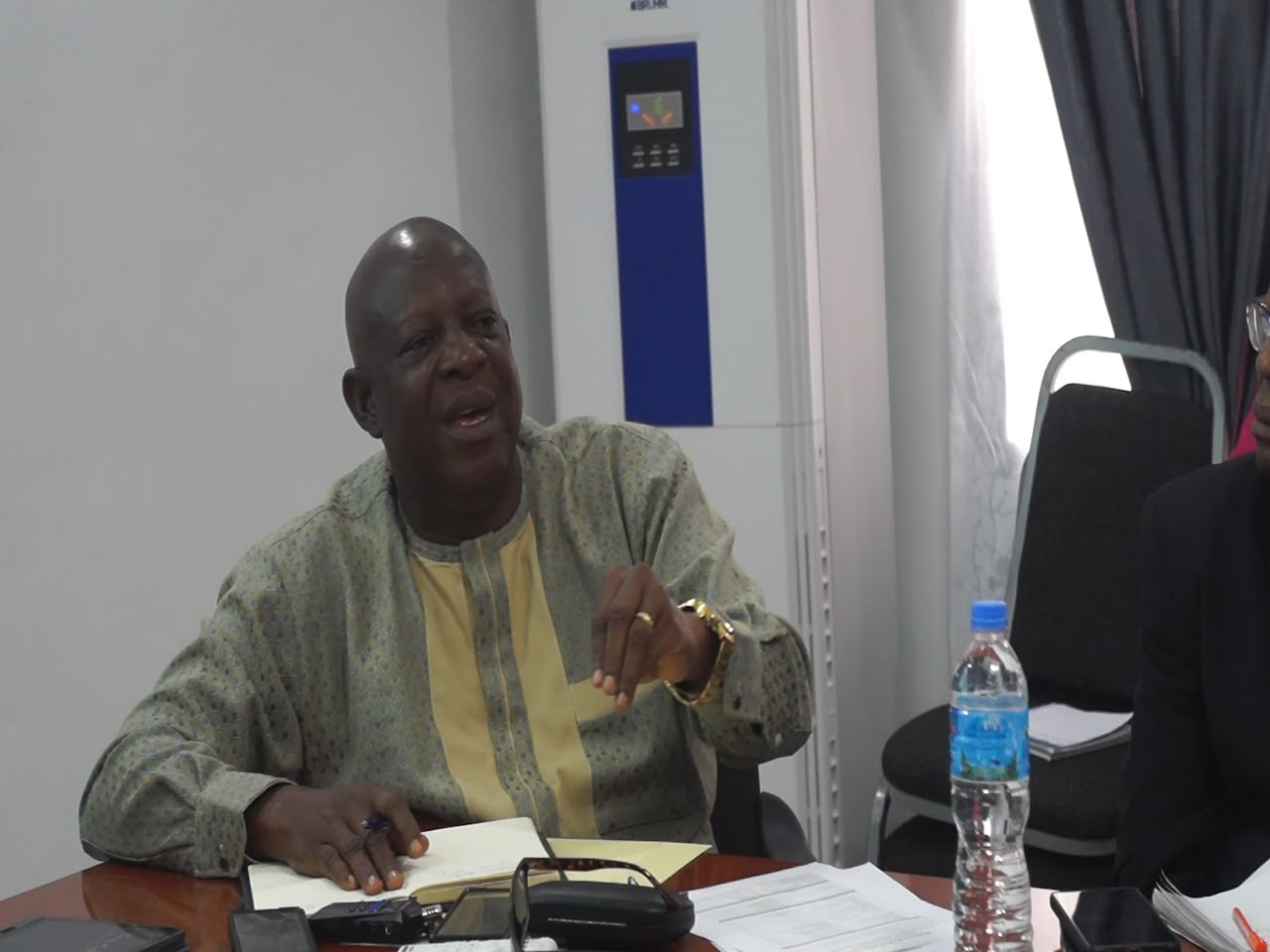







Stakeholders and partners of the Presidential Initiative on Climate Change, Renewable Energy, and Food Security (PI-CREF) have overwhelmingly endorsed the Strategic Plan 2024-2030 during a workshop at Freetown City Council, aimed at fostering “Climate Resilient Economic Growth.”
Peter Kaindaneh, Chief Technical Officer, highlighted in his opening remarks that the new strategy offers a roadmap for building a climate-resilient economy, promoting sustainable agriculture, and transforming food and nutrition systems over the next six years.
The strategy, informed by extensive consultations with diverse partners and stakeholders, integrates years of global, regional, and national experience. Chairman of PI-CREF, Kandeh Yumkella, emphasized the interconnected priorities of climate change, renewable energy, and food security as pivotal for Sierra Leone’s socio-economic development. He noted that these priorities will guide and coordinate critical initiatives to mitigate climate change impacts, improve access to sustainable energy, and enhance food and nutrition security. The strategy also supports related MDAs in developing, managing, coordinating, and aligning public policy and national development efforts.
Minister of Local Government and Community Affairs, Tamba Lamina, warmly endorsed the strategic plan, pledging his Ministry’s full support and highlighting its direct impact on the people. He expressed enthusiasm for PI-CREF’s role in the Financing Locally Led Climate Action Program (FLLoCA) and its efforts in climate finance and resource mobilization.
Andrew Sorie, Permanent Secretary of the Ministry of Agriculture and Food Security (MAFS), emphasized the strong relationship between his Ministry and PI-CREF. He acknowledged PI-CREF’s role in developing and implementing the Feed Salone strategy as critical.
Mimi Sobba-Stevens, Deputy Minister of the Ministry of Environment and Climate Change (MoECC), affirmed her Ministry’s unwavering support for sustainable development efforts, endorsing the strategic plan and recognizing PI-CREF as a valuable partner.
Sellu McCathy, Director of Climate Finance, emphasized the critical role of climate finance in building community resilience and adapting to climate change impacts, praising the strategic coordination outlined in the plan.
Joseph Samah, Assistant Director for Planning, speaking on behalf of Kenyeh Barlay, Minister of Planning and Economic Development, lauded the inclusive and consultative process of the strategy’s preparation, aligning it with the Medium-Term National Development Plan.
The plan also received input from development partners, including the European Union Delegation, the Irish and German Embassies, and various civil society organizations.
PI-CREF’s strategy outlines its key roles and responsibilities, such as facilitating policy coherence and coordination, mobilizing international partnerships and resources, providing representation and advocacy, and offering technical and implementation support to relevant MDAs. Stakeholders and partners agree that the strategy, though ambitious, is realistically grounded in PI-CREF’s comparative advantage, unique mandate, and position within the executive office of the president, ready to enhance engagement on climate change, renewable energy, and food security for the benefit of all.