
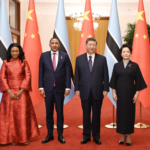





Namibia elected its first female president, Vice President Netumbo Nandi-Ndaitwah, who won 57% of the vote in a controversial election. The vote was delayed by three days due to technical issues, including ballot shortages, leading opposition parties to label the extension unconstitutional and vow to challenge the results in court. Despite these challenges, Nandi-Ndaitwah’s ruling SWAPO party retained its parliamentary majority, though narrowly.
Nandi-Ndaitwah, who was promoted to vice president earlier this year, is set to become the country’s fifth president since its independence in 1990. While SWAPO’s parliamentary result was its worst in years, it narrowly avoided joining the list of long-standing African political parties losing power this year, as seen in South Africa and Botswana.
In a brief victory speech, Nandi-Ndaitwah pledged to deliver on campaign promises of peace, stability, and youth empowerment. However, opposition leaders, including presidential runner-up Panduleni Itula, criticized the election process, claiming that thousands were disenfranchised and accusing the Electoral Commission of malpractice. With economic frustrations fueling discontent, the election highlights a growing desire for political change in the region.