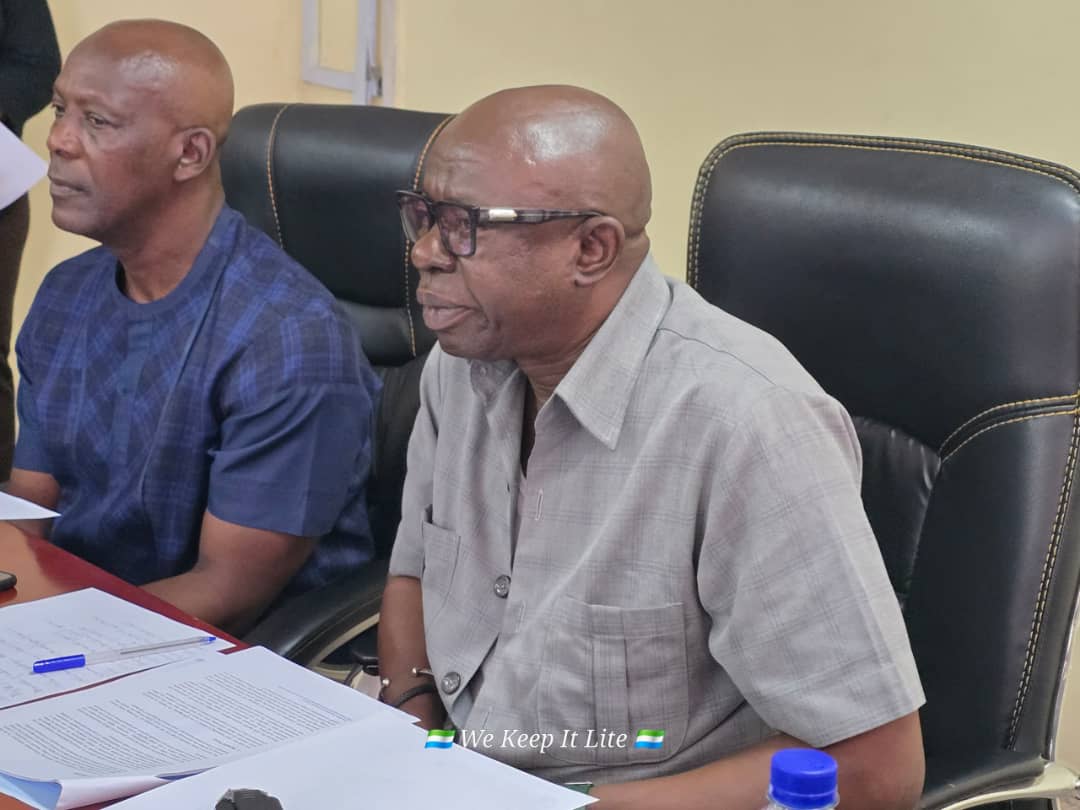



The European Union Governance Programme has officially launched four governance manuals aimed at enhancing the skills and knowledge of Members of Parliament and their staff. The launch event took place on September 24, 2024, in the Parliamentary Committee Room One at Tower Hill, Freetown.
Presiding over the event, Mr. Gilbert Nhabay, Acting Deputy Clerk of Parliament, underscored the significance of the manuals for parliamentary staff, emphasizing their potential to deepen understanding of parliamentary matters. “These manuals are a groundbreaking resource for the Parliament of Sierra Leone,” he remarked, thanking the EU Governance Programme team and the Sierra Leone Center for Strategy and Parliamentary Studies for their role in developing the materials.
Nhabay urged staff to actively utilize the manuals, warning against leaving them to gather dust. “We are dedicated to ensuring these resources are used effectively because of the tremendous value they bring to our work,” he affirmed.
The four manuals launched include:
- Public Financial Management Manual
- Gender Manual
- Enhancing Parliamentary Legislative Capacity Manual
- Corporate Governance Manual
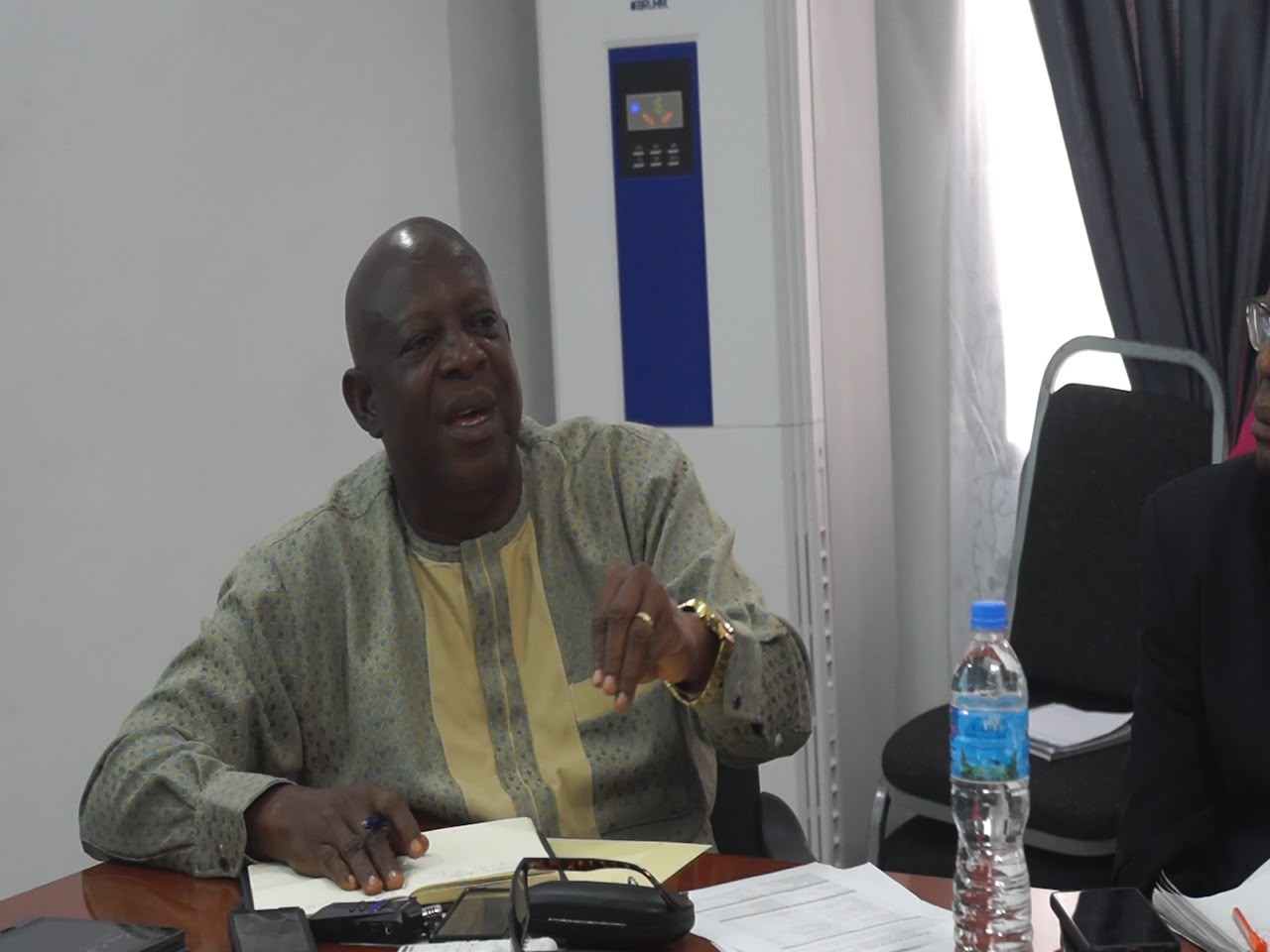
Adams Fusheini, Technical Expert for the EU Governance Support Programme, explained that the manuals were created in collaboration with experts from the Sierra Leonean Parliament. He also highlighted ongoing initiatives aimed at strengthening parliamentary functions, particularly in Monitoring and Evaluation (M&E) processes.
Fusheini stressed the vital role of committee enhancement in improving parliamentary operations. “Committee effectiveness is central to every Parliament. It is crucial that parliamentarians seize this opportunity for growth,” he said, noting that effective use of the manuals could lead to greater public accountability and transparency.
He further highlighted the critical link between parliamentary oversight and the national budget process. “If parliamentary committees do not monitor how budgets are implemented by ministries, departments, and agencies (MDAs), accountability will suffer,” Fusheini cautioned.
In his closing remarks, Fusheini emphasized the importance of collaboration among parliamentary staff to ensure the institution’s effectiveness and contribution to national development. “If we fail to work together, we risk undermining not only the functioning of Parliament but also the peace and stability of the country,” he concluded.