




Commonwealth leaders are preparing to confront the UK by advancing discussions on reparatory justice for the transatlantic slave trade, despite UK claims that the issue isn’t on the agenda for the summit in Samoa. Diplomatic sources indicate that officials are negotiating a plan to initiate research and open a “meaningful conversation” about reparations, which could result in the UK owing billions.
Bahamas Foreign Minister Frederick Mitchell stressed that an apology is necessary and that progress will be slow, but inevitable. The UK opposes including reparations in the official communique, but three paragraphs outlining the Commonwealth’s stance remain. Caribbean nations are also pushing to include Pacific slavery in the discussions. The topic is likely to dominate the next summit in the Caribbean, where leaders will continue urging the UK to apologize and pay reparations for its role in slavery.
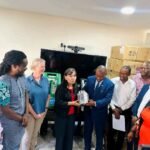
A report from the University of West Indies estimated the UK owes over £18 trillion in reparations for slavery in 14 Caribbean nations. Bahamian Prime Minister Philip Davis reaffirmed the call for reparations during a visit from Foreign Office Minister Baroness Chapman, emphasizing that the fight is ongoing. Mitchell added that reparations are about more than money—it’s about respect and acknowledging past wrongs.
While the UK government maintains that reparations are not on the agenda and refuses to pay them, the tone of their response has caused frustration among Caribbean leaders. British Prime Minister Sir Keir Starmer arrived in Samoa, stressing that his focus is on future challenges like climate change, rather than addressing historical issues like reparations. Despite this, the Commonwealth conversation on reparatory justice is far from over.