





If the All People’s Congress (APC) could be in power for over 20 years uninterruptedly, like the African National Congress (ANC) in South Africa since April 1994, or the People’s Action Party (PAP) in Singapore since 1959, then it is equally possible for the APC to remain in opposition for many years if it fails to comprehensively and sincerely overhaul its current leadership.
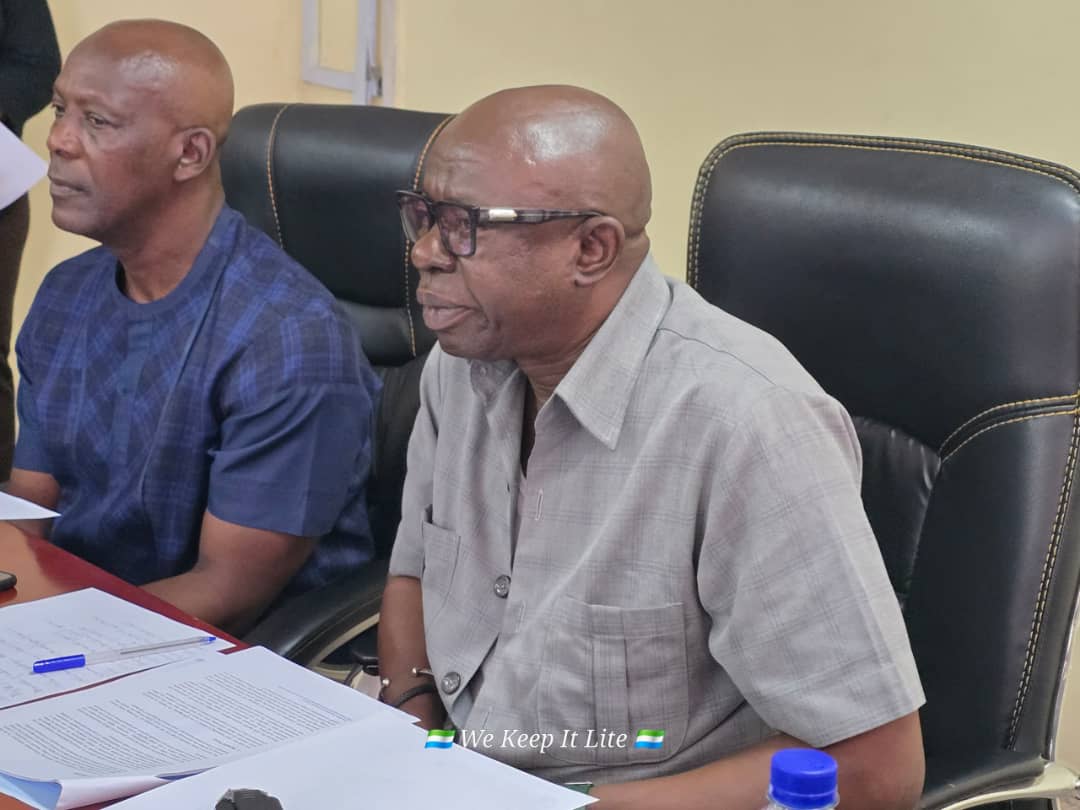
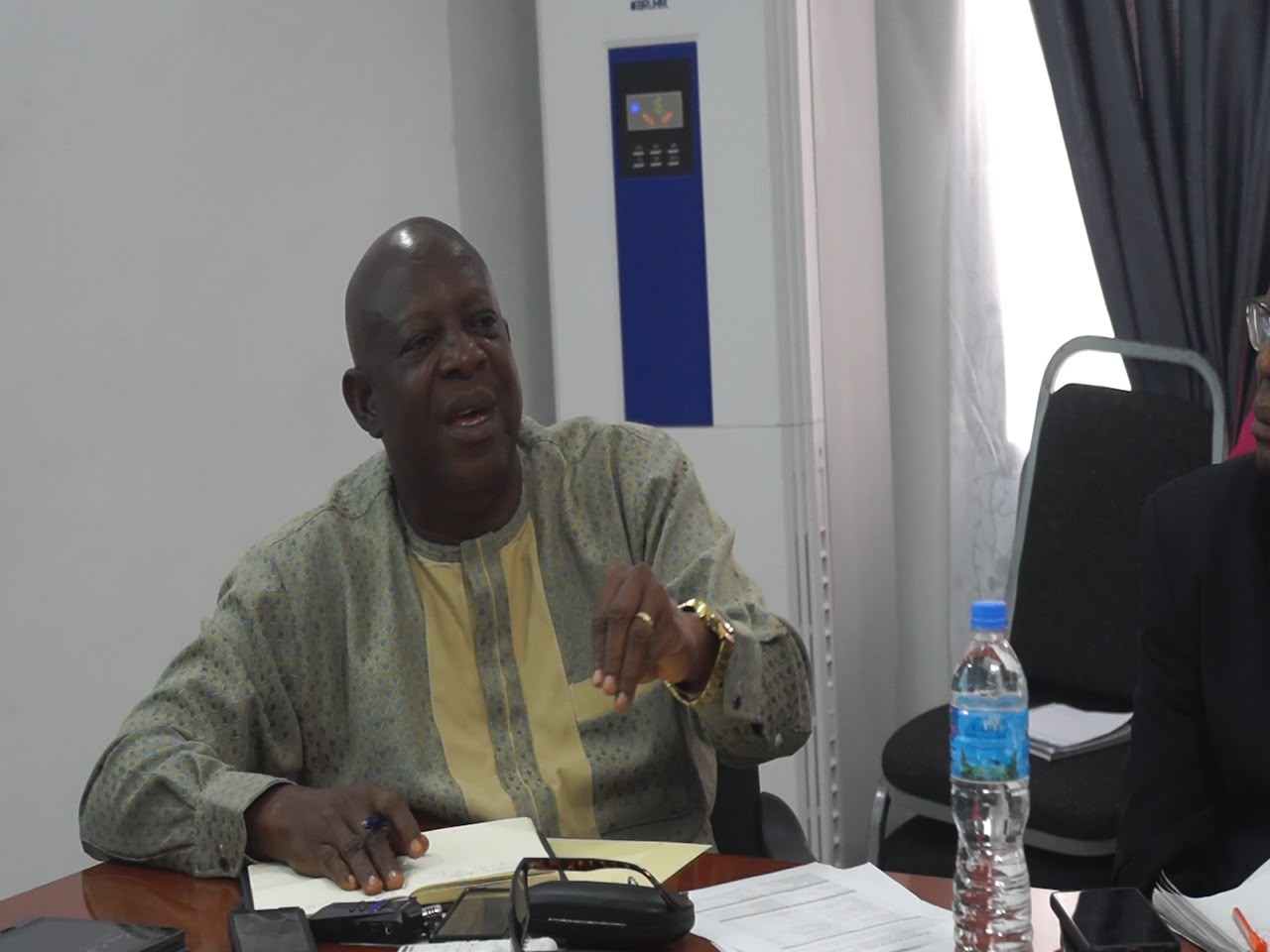
It is perplexing why the current APC leadership struggles to apologize to its members and supporters for failing to steer the party effectively during crucial times. It is particularly insulting that they constantly look for scapegoats to blame for their failure to drive the party towards political power since 2023. It is also tragically comical that the leadership seems to believe that the APC is their personal property, which they should control until they die. Even if, for argument’s sake, the APC were their property, isn’t it time for them to start writing their will to determine who they intend to bequeath it to?
Taking a lesson from Singapore’s experience, by 1984, the aging leaders of the governing PAP, which had been in power since 1959, willingly loosened their grip on the party. This honest rejuvenation of the party’s structures and leadership has enabled the PAP to remain in power, winning successive elections and becoming one of the longest-ruling democratically elected political parties in the world.
For the APC to avoid a long-term opposition status, it must undertake comprehensive and honest reforms now. The party needs fresh and untainted leadership, one that will not be prone to blackmail, government-induced court cases, sell-outs, or fifth columnists. The APC requires a leadership that is ready to challenge the ruling Sierra Leone People’s Party (SLPP) at all levels—streets, roads, villages, towns, and cities. In simple terms, the APC needs a leadership with courage and sincerity of purpose.
The APC must also address its membership issues with honesty and openness. It needs to look beyond the Bombali-Karene regions for its Presidential Candidates. If the APC is serious about reclaiming political power from the SLPP, its 2028 Presidential Candidate should come from other parts of the country. The party’s leadership must have a national outlook moving forward.
Another critical issue is the anti-intellectualism within the APC. While the party prides itself on being a “grassroots party,” this should not be reflected in its governance. Just as churches have different roles for different members, the APC should recognize the importance of intellectual contributions to its operations. Unfortunately, the current APC environment allows every member to believe they are a stakeholder, often overriding intellectualism or common sense.
Moreover, the culture of using offensive language within the APC is concerning. Leadership should not be determined by vulgarity. If it were, many of Sierra Leone’s leaders would come from the roughest neighborhoods. It is troubling that accusations and counter-accusations of having personal armies of insulters are common among the old guards.
Those who dislike these truths should accept them as necessary criticisms. The current APC leadership seems unfit for purpose and should step aside for a new generation with fresh ideas and strategies aimed at winning elections. As Ecclesiastes 3:1-8 states, “To everything there is a season, and a time for every matter under the heaven: a time to be born, and a time to die….” The old guards of the APC need to know when to step aside before being pushed out. They should take a page from Singapore’s PAP, which allowed younger leaders to take over in 1984.
The APC’s path to leadership overhaul must begin with honest introspection and civil discourse. The party needs genuine reconciliation, decency, and courtesy in its internal discussions aimed at comprehensive reforms. There must be a genuine hunger for political power going into 2028. Anything less will result in the APC remaining in opposition for many years. Reforms should focus not only on the party’s soul but also on the total redemption of Sierra Leone.
In conclusion, I echo the sentiment from Chinua Achebe’s book, “There Was a Country: A Personal History of Biafra,” which states: “Every generation must recognize and embrace the task it is peculiarly designed by history and by providence to perform.” Now is the time for the old guards in the APC to recognize and embrace the task of handing over leadership to a younger generation of thinkers and strategists.