By: Sorie Sesay
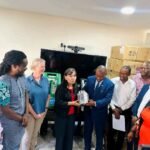
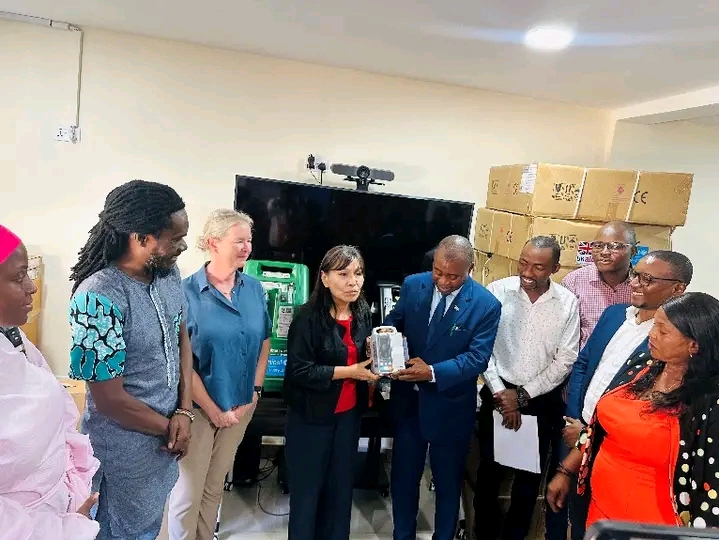
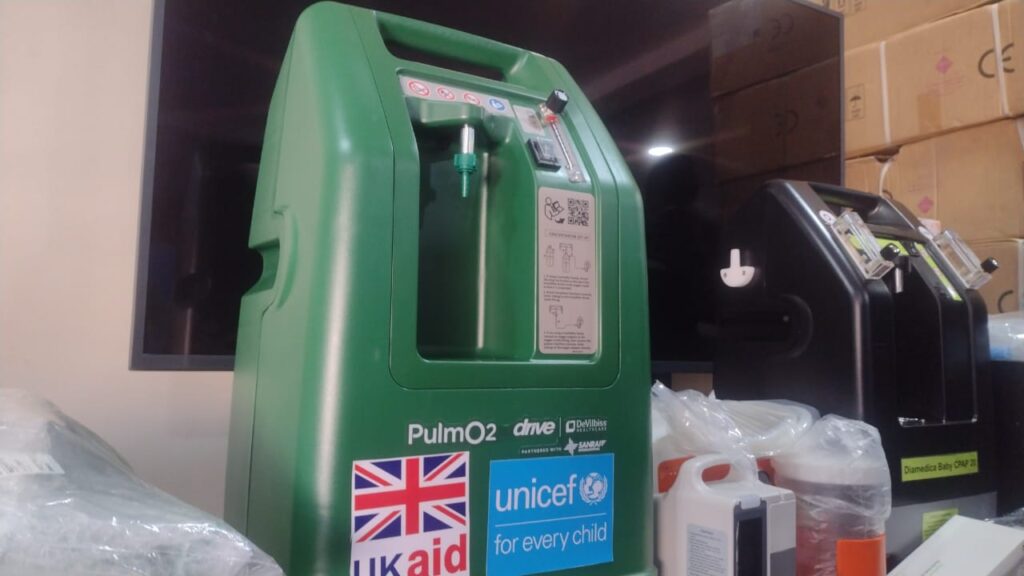
The United Nations Children’s Fund, UNICEF, has handed over medical equipment worth approximately £32,000 to support the restoration and equipping of the Special Care Baby Unit at the Makeni Regional Hospital.
The handover ceremony took place on September 29, 2026, in Freetown, with support from the Government of the United Kingdom through the Foreign, Commonwealth and Development Office, FCDO
The Special Care Baby Unit at the Makeni Regional Hospital was affected by a fire, disrupting an important service for premature, low-birth-weight and critically ill newborn babies in Makeni and across the Northern Region.
Speaking during the ceremony, UNICEF Representative Mariko Kagoshima said the fire disrupted an essential service for families whose babies needed specialized care.
She said the handover marks an important step towards restoring this life-saving service.
According to Kagoshima, the medical equipment provided by UNICEF, with support from the UK Government through the FCDO, will help health workers provide safer and higher-quality care to newborn babies who require specialized support to survive.
She noted that the handover is not only about providing equipment, but also about restoring access to essential newborn care for families in Makeni and the wider Northern Region.
Kagoshima said the Makeni Regional Hospital is an important referral facility serving families not only in Makeni, but also communities across the Northern Region.
She explained that a fully functional Special Care Baby Unit will therefore improve access to specialized newborn care for a much wider population.
The UNICEF Representative also highlighted Sierra Leone’s progress in newborn healthcare.
She said that in 2017, Sierra Leone had only four Special Care Baby Units, but the country now has 17 units across 14 districts.
She added that annual admissions of small and sick newborn babies have increased from just over 1,000 in 2017 to more than 14,000 currently.
Kagoshima further noted that survival rates among newborn babies admitted to Special Care Baby Units have increased from about 78 percent in 2017 to around 90 percent today.
She said these figures represent thousands of newborn babies who have had a better chance of survival because specialized care was available when they needed it.
She attributed the progress to sustained investment, strong leadership and partnerships in newborn healthcare.
Kagoshima expressed appreciation to the UK Government, through the FCDO, for its support, saying the contribution made the handover possible and builds on the UK Government’s support for newborn health in Sierra Leone.
She also recognized the leadership of the Ministry of Health and the dedication of nurses, clinicians, technicians and other health workers caring for some of the country’s most vulnerable patients.
She concluded by reaffirming UNICEF’s commitment to supporting the Government of Sierra Leone in strengthening healthcare systems and ensuring that every child has a fair start in life.
The equipment is expected to support the restoration of the Makeni Special Care Baby Unit and improve access to specialized care for newborn babies across the Northern Region.