

By: James Kamara-Manneh
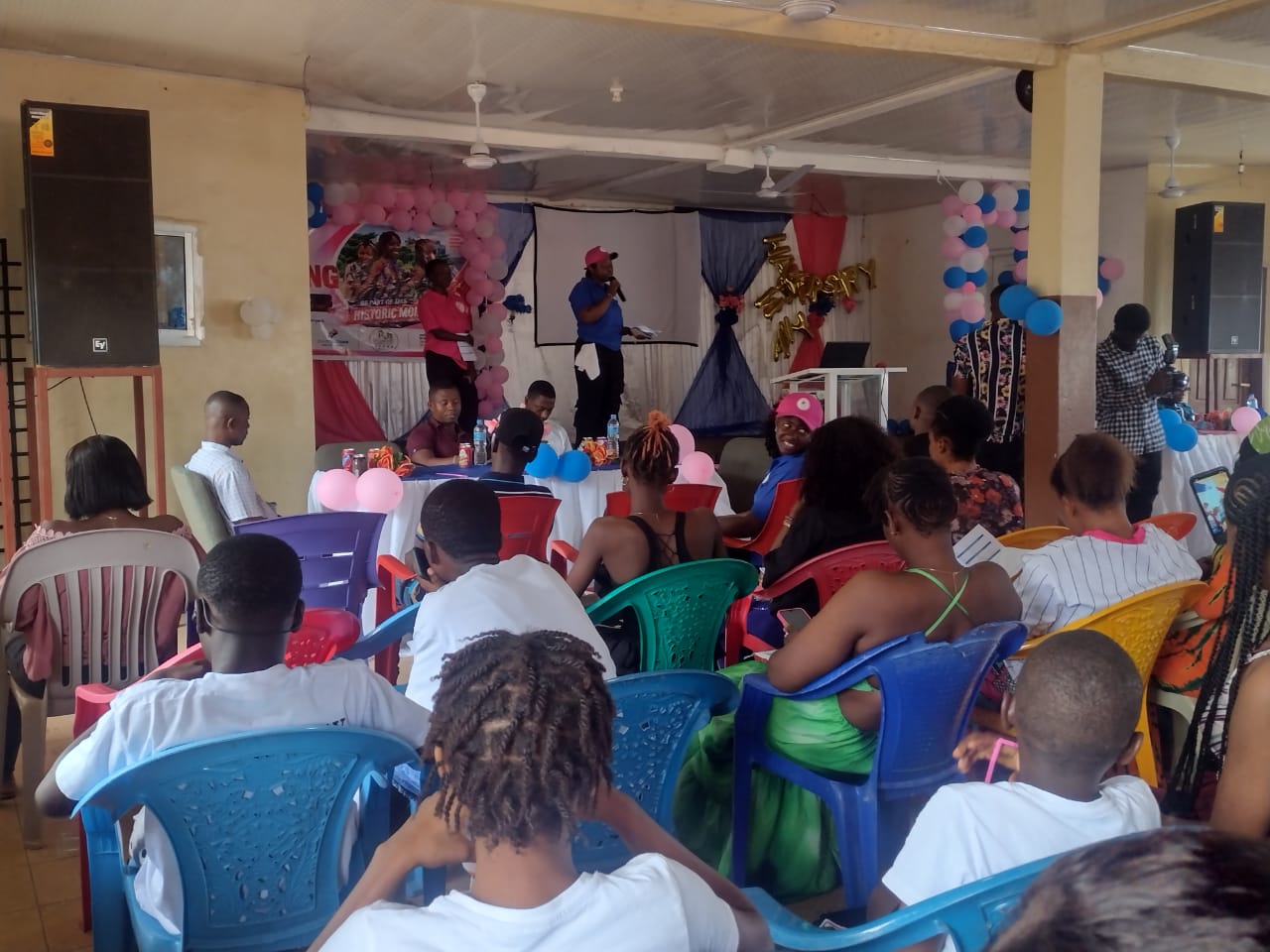
The Budget Advocacy Network (BAN) has engaged government representatives, media practitioners, persons with disabilities, women and other vulnerable groups as part of efforts to influence Sierra Leone’s 2027 national budget.
The engagement, held in Freetown under BAN’s “Making Tax Work for Women” project, focused on identifying the needs and priorities of marginalized, vulnerable and women’s groups and ensuring their concerns are reflected in the national budget.
In his opening remarks, BAN Coordinator Abu Bakarr Kamara said the engagement was intended to ensure that no group is left behind in the budget-development process.
He said vulnerable groups are often not adequately considered during the preparation of national budgets, making it important for their needs and aspirations to be identified early and presented to the relevant government institutions.
“No one is left behind,” Kamara said, explaining that the exercise is aimed at collecting the needs of women, vulnerable groups and other marginalized communities that require budgetary support.
According to him, the needs gathered from the engagement will be categorized and aligned with the relevant ministries, departments and agencies responsible for addressing them.
He cited education, social welfare and the needs of women farmers and persons with albinism among areas that could require specific budgetary consideration.
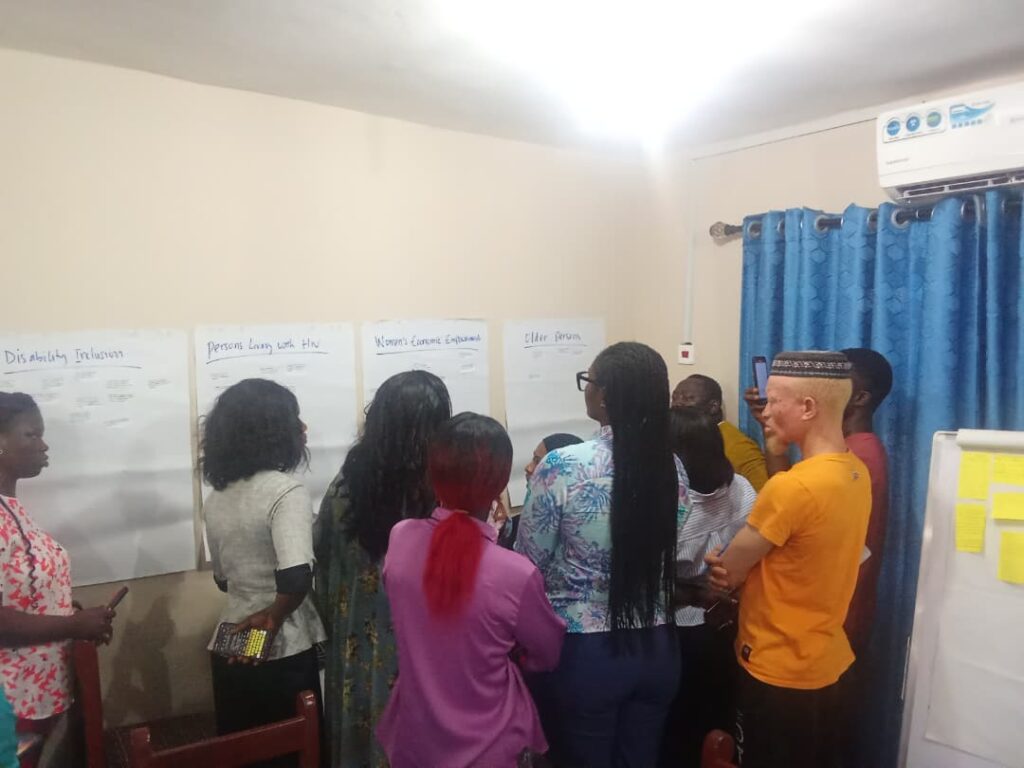
Kamara said BAN also wants to strengthen engagement between marginalized communities and the relevant government institutions so that their concerns can be incorporated into the detailed budget.
He noted that Parliament receives a detailed budget containing allocations across various sectors, and said the objective is to ensure that the specific needs identified during the engagement are captured in those allocations.
“The essence is for the 2027 budget to capture the needs of various groups, not only to capture them, but also to budget for their needs,” he said.
The Facilitator of the engagement, Abu Bakarr Tarawally, said identifying needs is only the first stage of the process, stressing the importance of monitoring whether resources are subsequently allocated and delivered to the intended beneficiaries.
He said BAN would follow up on budget lines created for vulnerable groups and engage the relevant ministries to ensure that the allocations are implemented.
Tarawally explained that the organization would package the concerns raised by women, women farmers, persons with disabilities, persons with albinism and other vulnerable groups and present them to the appropriate ministries for consideration.
He said BAN would also use the budget discussion process to follow up on whether the concerns have been incorporated into the 2027 budget.
“If, for example, an agency has issues that have not been proposed, we invite them to the budget discussion so they can listen to what the child, welfare or gender representatives are presenting,” Tarawally said.
He added that BAN would continue engaging the relevant ministries and monitor the budget process to ensure that commitments made to vulnerable groups translate into actual resources and interventions.
The engagement also provided participants with an opportunity to discuss the 17 Sustainable Development Goals (SDGs) and how they can be incorporated into Sierra Leone’s 2027 budget, particularly to address the needs of vulnerable and deprived women.
The discussion was interactive, with participants sharing perspectives on gender advocacy, public budgeting and national development priorities.
BAN says the exercise forms part of its broader efforts to promote inclusive budgeting and ensure that marginalized and vulnerable communities have a voice in decisions concerning the allocation of public resources.