

By: Reginald Brian Ojukutu Sawyerr
Sierra Leone has reaffirmed its commitment to regional integration, peace, and democratic governance as it hosts the 96th Ordinary Session of the ECOWAS Council of Ministers at the Bintumani International Conference Center in Freetown.
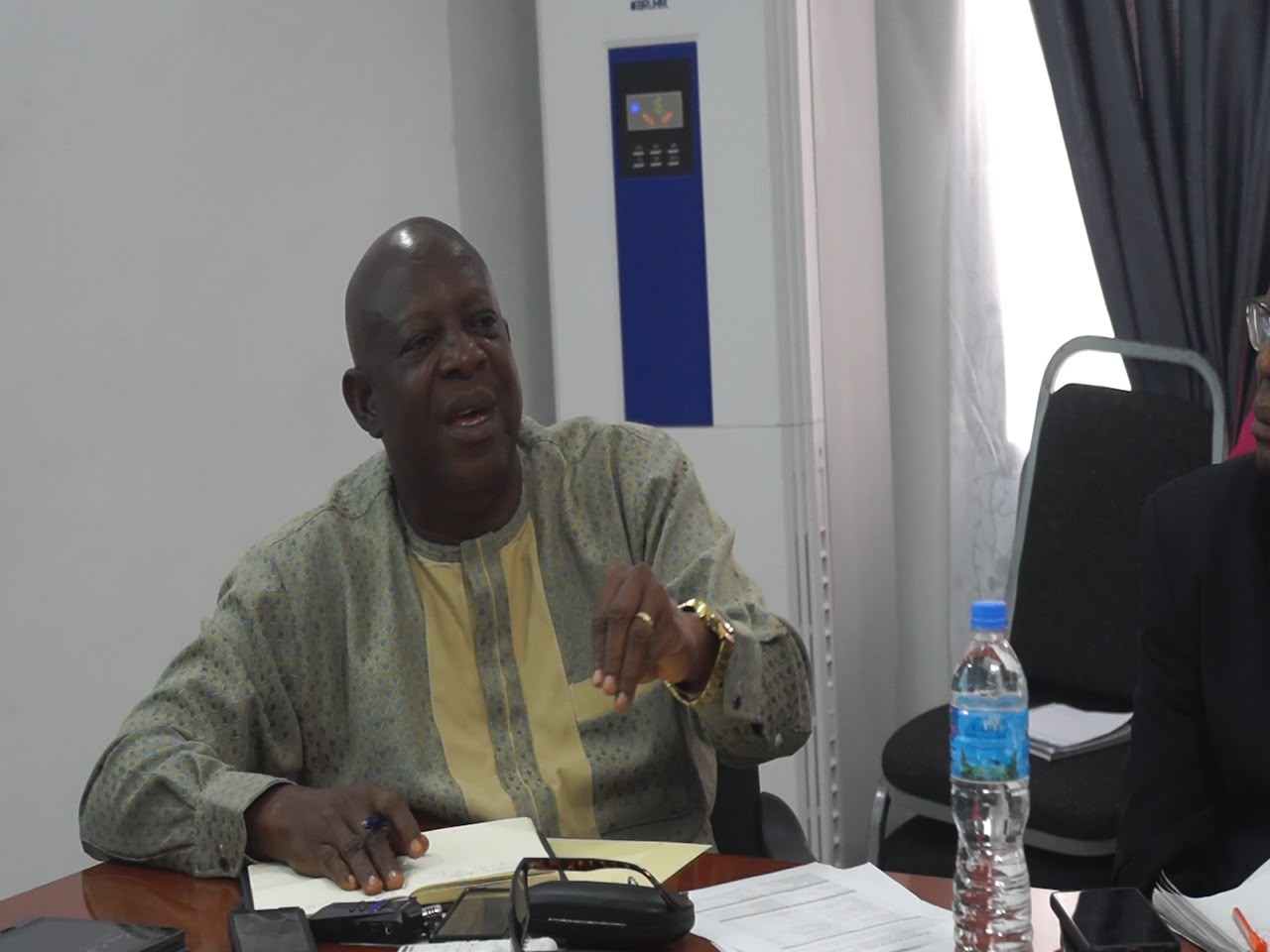
Opening the meeting, the Chair of the ECOWAS Council of Ministers and Sierra Leone’s Minister of Foreign Affairs and International Cooperation, Alhaji Timothy Musa Kabba, welcomed ministers, ECOWAS officials, development partners, and diplomats from across West Africa. He described the gathering as a critical opportunity to strengthen regional cooperation and prepare recommendations for the 69th Ordinary Session of the ECOWAS Authority of Heads of State and Government.
Minister Kabba praised ECOWAS for its achievements in promoting peace, economic integration, and the free movement of people and goods since its establishment in 1975. However, he acknowledged that the region continues to face significant challenges, including terrorism, climate change, youth unemployment, food insecurity, gender inequality, organized crime, irregular migration, and unconstitutional changes of government.
He urged member states to demonstrate greater unity, solidarity, and political will in addressing these challenges, stressing that the strength of ECOWAS lies in the collective commitment of its member states. He also reaffirmed Sierra Leone’s commitment under President Julius Maada Bio’s leadership to advancing regional cooperation, peacebuilding, youth empowerment, and sustainable economic development.
Also addressing the opening session, the President of the ECOWAS Commission, Dr. Alieu Omar Toure, thanked the Government and people of Sierra Leone for hosting the meeting and commended Minister Kabba for his leadership of the Council over the past year.
Dr. Toure described the session as his final Ordinary Council meeting as President of the ECOWAS Commission and reflected on the progress made during his four-year tenure. He noted that despite political transitions, evolving security threats, economic uncertainty, and the withdrawal of three member states from ECOWAS, the Commission had remained focused on implementing the decisions of the Authority while safeguarding regional cooperation and institutional stability.
He highlighted major achievements, including the operationalization of the ECOWAS Permanent Representatives Committee, the establishment of the ECOWAS Business Council, the commissioning of key regional infrastructure projects, and the relocation of the Commission to its new headquarters in Abuja.
Dr. Toure said ministers will consider several important issues during the session, including the state of the Community, institutional reforms, financial sustainability, digital transformation, regional investment, agriculture, trade, gender equality, science and innovation, and relations with the Alliance of Sahel States.
Both leaders called on member states to work together to strengthen ECOWAS institutions and deliver practical solutions that will promote peace, security, economic growth, and improved living standards for more than 400 million people across West Africa.