



By Patrick Sallia
Kailahun District Council’s own-source revenue has more than doubled since 2022, with collections in 2026 already surpassing the total raised throughout 2025, according to Council authorities.
The increase has been attributed in part to a revenue-sharing agreement between the Council and Paramount Chiefs, signed in April 2026, aimed at improving local revenue mobilisation across the district’s 15 chiefdoms.
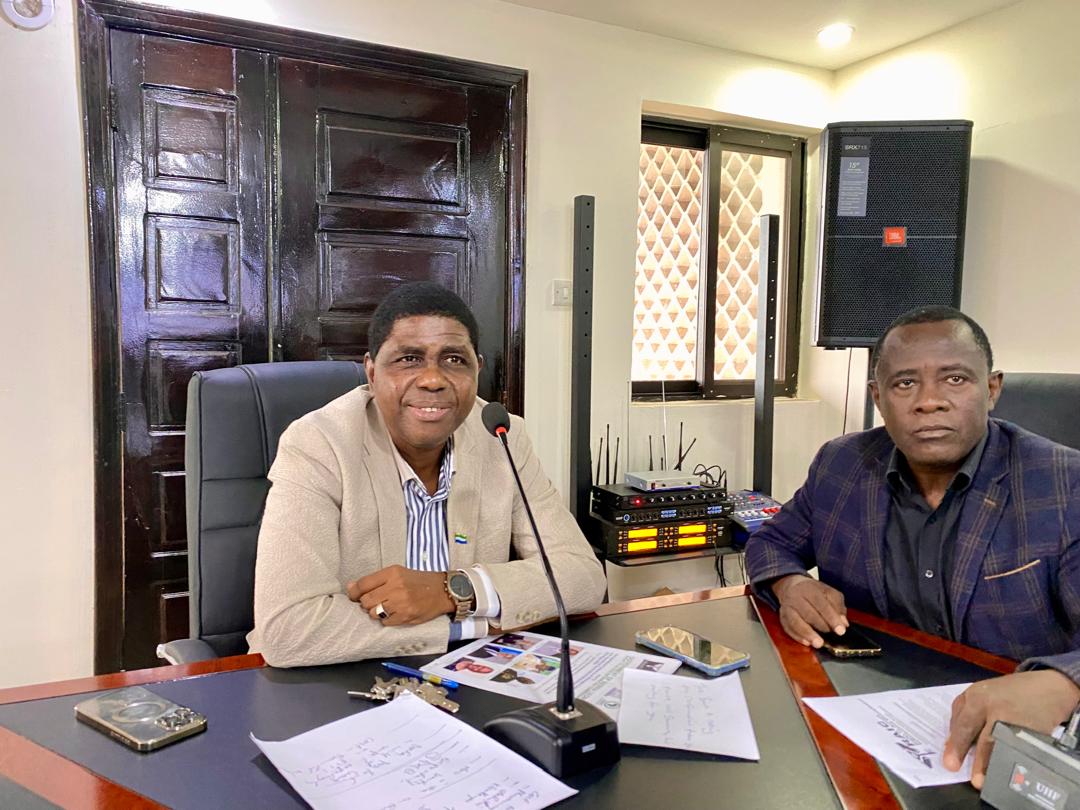
In an exclusive interview with SLIK TV, Kailahun District Council Chairman Sahr K. Lamin, popularly known as Kekeh Sahr, said the Council’s revenue performance has improved significantly in recent years, although taxpayer compliance remains a major challenge.
Council records show that own-source revenue collection stood at 32 percent of the projected target in 2022. It increased to 44 percent in 2023, 51 percent in 2024 and 71 percent in 2025.
As of September 21, 2026, the Council had already collected 17 percent more than its entire 2025 total.
Property tax has been one of the major contributors to the increase. Collections from the tax rose from NLe303,080 to NLe1,011,946, making it the Council’s largest revenue stream, according to the audited 2024 accounts.
Jawei Chiefdom has emerged as the strongest performer in market dues collection. Council officials say Jawei collected more than NLe20,000 in market dues in three of the past five months, the highest figure recorded among the district’s 15 chiefdoms.
Chairman Lamin said the performance was unprecedented during his eight years in office.
The revenue-sharing arrangement provides for 60 percent of collections to go to the Council, 30 percent to the respective chiefdom and 10 percent to revenue collectors.
Jawei Chiefdom is using its share to construct a public toilet at its main market, an initiative the Council says is intended to demonstrate the benefits of improved revenue mobilisation and encourage other chiefdoms to increase their collections.
The Council’s Development and Planning Officer, Ansumana Tarawally, said the Council is also investing its share of the revenue in local development projects.
These include the rehabilitation of a canteen, development of a main market with six stores, construction of a pure water factory at a reported cost of NLe750,000, and five school wells costing about NLe400,000.
The Council is also developing a business case for a proposed 20-bedroom guesthouse, which officials estimate could accommodate up to 1,200 guests annually.
The improved revenue performance comes as local councils face pressure to increase internally generated funds and reduce dependence on central government transfers.
The Council said it is diversifying its revenue sources following advice from the Ministry of Finance.
However, revenue performance remains uneven across the district.
While Jawei and several other chiefdoms have recorded increased collections, some continue to struggle with revenue mobilisation.
Chairman of the Council of Paramount Chiefs, PC Musa Gombukla Kallon II, attributed some of the disparities to political interference and a lack of public confidence in the revenue system.
The Council has meanwhile warned that it intends to strengthen enforcement against taxpayers who fail to meet their obligations.
Chairman Lamin said the Council will now begin to use existing laws to enforce compliance.
The revenue drive follows years of scrutiny over Kailahun District Council’s financial performance. The Parliamentary Public Accounts Committee has repeatedly raised concerns about the Council’s revenue mobilisation.
The Budget Advocacy Network, through its Promoting Accountable and Citizen Engagement project, has also supported the Council’s revenue mobilisation efforts. The project is funded by Christian Aid and Irish Aid.
BAN Programmes and Policy Officer Abu Bakarr Tarawally said the increase demonstrates steady progress in Kailahun’s ability to mobilise its own resources.
He noted that collections had risen from 32 percent of the original budget in 2022 to 44 percent in 2023, 51 percent in 2024 and 71 percent in 2025.
He said the revenue-sharing memorandum with Paramount Chiefs could further strengthen the trend, citing the fact that 2026 collections had already exceeded the previous year’s total.
Despite the improvement, Kailahun District Council continues to face a significant gap between available resources and development needs.
The district has more than 500,000 residents across 15 chiefdoms, while the Council continues to rely heavily on central government transfers to finance development.
Council officials say sustaining the revenue gains will depend on stronger taxpayer compliance, effective enforcement, transparency in the use of collected funds and continued cooperation between the Council, chiefdom authorities and local communities.